
Nurgle factions in Total War: Warhammer 3 use cycle-based recruitment, corruption-driven economy, and plague crafting to conquer their enemies. This guide will show you how to start your first settlement, manage resources, spread plagues efficiently, keep corruption high, and leverage the unique mechanics of Kugath, Tamurkhan, and Epidemius for a successful campaign.
Quick answer
| What | Answer |
|---|---|
| Start with | a military building on turn 1 |
| Core resource | infections |
| Plague symptoms | 3 |
| Plague tuning options | spread chance, duration, and immunity turns |
| Great Game condition | dominant Nurgle corruption worldwide |
| Kugath bonus | an extra blessed symptom when the symptom web resets |
| Tamurkhan currency | dominance |
| Epidemius goal | fill the Tally of Pestilence |
Start your first Nurgle settlement correctly
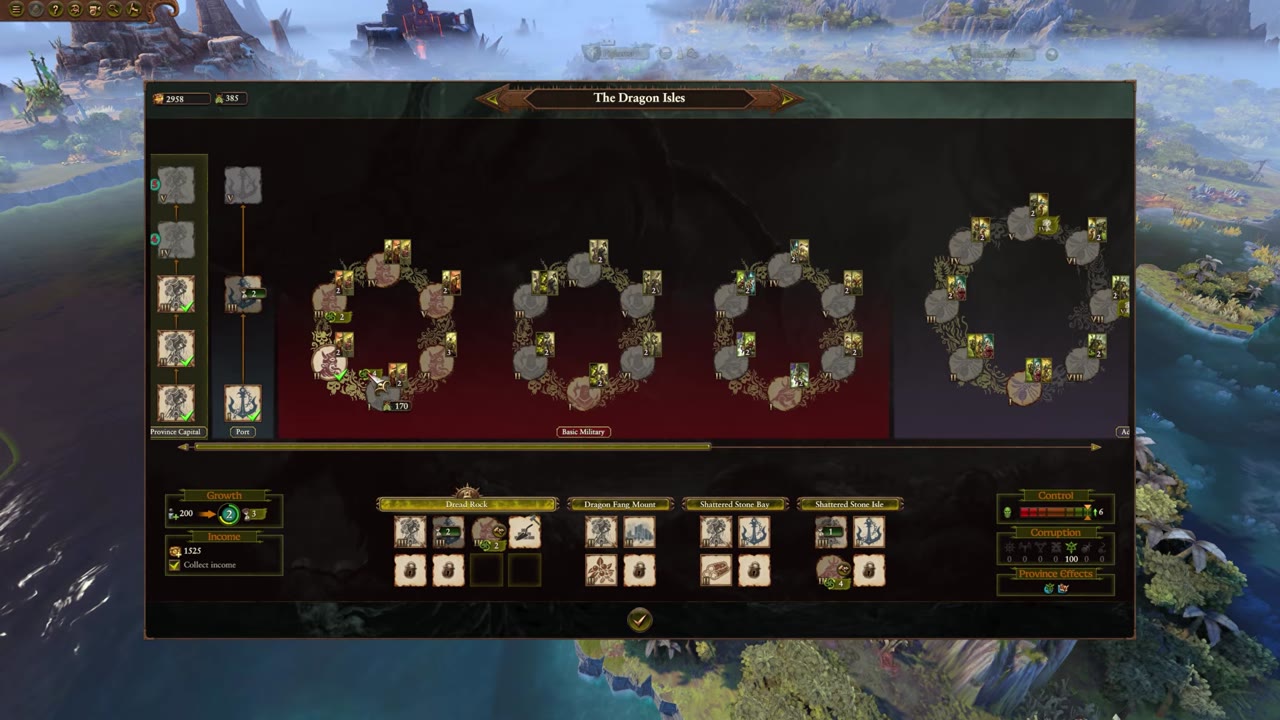
Nurgle's campaign begins differently from most factions. The cycle-based system means you must build military structures quickly to maintain a steady supply of units. Early infections are precious—spend them on military buildings rather than plagues until you have a recruitment pool established. Settlements still require size upgrades to unlock higher tiers, but all unit recruitment happens from a factionwide pool, not by province.
Units recruited come in with low health, so healing before battle is crucial. Farming infections in the early turns is important; these are earned primarily from battles and certain buildings, and you need enough to fuel recruitment cycles and future plague crafting.

- Spend infections to unlock immediate unit recruitment 0:00
- Until you have a recruitment pool, prioritise units over early plague effects
- Upgrade settlement size for higher cycles but pay infections only once 0:30
- Units appear at low health, so healing is needed before major battles
- Early infections are limited; focus on battles and buildings 0:57
Use cycles and recruitment pools to keep armies supplied
Nurgle's military buildings operate on cycles rather than traditional tier upgrades. You pay a single infection fee for the base tier, and the building then advances automatically through its cycle as turns progress. Higher settlement levels allow the cycles to reach higher tiers, enabling recruitment of more advanced units.
If you need units urgently, you can spend additional infections to rush a cycle forward—reserve this for emergencies or when you have surplus infections, because resources are scarce early on. Recruitment is not tied to the local province: units are added to a factionwide pool, so you can build military buildings strategically across your settlements.
When recruiting, units appear at low health. This lets you form armies quickly but means healing time is needed before those units are battle-ready. The system encourages aggressive expansion and flexible placement of military buildings.

Craft and spread plagues efficiently
Plague crafting is a cornerstone of Nurgle gameplay. Each plague consists of three symptoms selected from a randomized symptom web that resets every three crafted plagues. Using symptoms unlocks more options for later plagues. Blessed symptoms appear when the web resets—they provide one-time, powerful effects when included.
After choosing symptoms, you have three tuning options: increase spread chance, extend plague duration, and reduce the turns before an affected enemy gains immunity. All these cost additional infections.
Plagues can be sent to a target by infecting your own army, your own settlement, or by summoning a cultist hero. Cultists are especially useful for infecting foreign targets, helping you spread plagues beyond your territory.

- Select from the symptom web; web resets every three plagues 1:27
- Extra effects appear on web reset—use them for stronger plagues
- Spend infections to increase effectiveness 1:57
- Use cultists to infect foreign targets
Keep Nurgle corruption high in your provinces
Corruption is a powerful mechanic for all Nurgle factions. It spreads through multiple sources—battles, hero skills, buildings, commandments, and plagues. High corruption levels grant bonuses inside Nurgle-controlled regions, including improved control, lower recruitment costs, increased unit health on recruitment, and a better chance of daemon units returning after destruction.
Non-Chaos armies suffer attrition in heavily corrupted provinces, making your territory naturally defensive. Corruption also raises plague spread rates and facilitates infrastructure growth. Focusing corruption within your own provinces supports both military and economic strength.

Prioritise the best corruption effects and commandments
Nurgle offers several corruption-linked bonuses and commandments. Choosing the right ones for your campaign stage is essential. Compare their effects:
| Effect | What it does | Recommended use |
|---|---|---|
| Recruitment cost reduction | Lowers the infection/resource fee for recruiting units | Use for rapid army expansion — especially useful after battle losses |
| Recruitment health increase | Units enter at higher HP | Ensures fresh armies are combat-ready quickly |
| Increased plague spread chance | Makes plagues more likely to infect province targets | Prepare provinces for invasion or rapid expansion |
| Growth and construction cost reduction | Settlements upgrade faster and cost less | Enables quicker infrastructure development |
| Instant heal | Fully recovers an army instantly | Use after tough battles or when redeploying recently recruited units |
| Foster Cults (Commandment) | Farms infections and boosts corruption | Use in stable provinces to increase resources |
| Plague God's Pasture | Improves plague spread | Key for aggressive plague strategies |
| Plague God's Greenhouse | Enhances recruitment | Useful for military build-up phases |
| Plague God's Nursery | Accelerates growth | Prioritise when expanding settlements |

If Nurgle corruption is dominant worldwide, the Great Game triggers, further increasing all these effects 3:54.
Play Kugath around blessed symptoms and cultists
Kugath’s faction excels at quality plague crafting and fast growth. When the plague symptom web resets, Kugath gets an extra blessed symptom, letting him craft empowered plagues more frequently as the campaign progresses. His recruitment health and settlement growth rates are boosted, giving his armies and infrastructure a head start over rivals.
Plague-related actions (including cultist summoning) cost Kugath 25% less infections, so he can spread plagues more often and effectively. His plagues have a higher chance to spread to or from his faction, maximizing the impact of both offensive and defensive disease effects. Focus on empowered symptoms whenever possible, even though the options are random.
Kugath works best with demonic units, who benefit most from recruitment health bonuses. Build settlements and armies aggressively, then spread empowered plagues widely using cultists.

Use Tamurkhan’s chieftains and dominance to build a stronger army
Tamurkhan's playstyle centers on recruiting powerful chieftains from other chaos-aligned factions. He does not use the Unholy Manifestations system. Instead, you earn "dominance" by winning battles and completing certain events, then spend dominance to unlock a set of six unique chieftains. Each chieftain brings battle powers, items, traits, and unlockable units.
Higher "fealty" from each chieftain unlocks stronger abilities and more units. Fealty increases by completing their specific tasks shown in their interface. Tamurkhan's armies benefit from faster movement and improved health for non-demonic, mortal units. He recovers quickly after defeat, supporting aggressive, warrior-of-chaos play. Focus on mortal units and develop chieftains by prioritizing their tasks.

- Dominance is the currency for chieftain recruitment 5:23
- Chieftains are unlocked and leveled up with dominance 5:51
- Complete chieftain tasks for rewards and more unit choices
- These troops benefit most from Tamurkhan's bonuses 6:49
- Chieftain tasks vary, so plan army moves and objectives accordingly
Farm the Tally of Pestilence with Epidemius
Epidemius’ campaign revolves around infecting foreign armies and settlements to fill the Tally of Pestilence. Reaching higher tally levels grants strong bonuses and increases plague effects on foreign targets. The tally mechanism rewards repeated and widespread plague applications.
Epidemius needs many infections, so building Fungi of Defilement structures is recommended. His cultists gain improved movement, allowing faster plague delivery. He recruits plaguebearers more quickly and at higher levels compared to other Nurgle factions. Target plague-affected enemies for regeneration and ability bonuses. Save up infections for several turns and then spend them in bursts to reach higher tally levels efficiently.

- More infections fuel faster tally progress 7:19
- Cultists have improved movement; maximize foreign infections
- Triggers regeneration and plaguebearer bonuses 7:47
- Timing plague spam helps reach high tally levels efficiently 8:17
Also worth knowing
- Turn 1 military buildings are critical. Missing an early build can leave your army without units for multiple turns, causing campaign stall.
- Early attrition plagues can help against tough starting enemies. If your campaign opens against major threats like Malus, Kholek, or Ghorst, investing in plagues that inflict attrition can level the field—even in the opening turns.
- The Nurgle campaign remains difficult even after the rework. Understanding mechanics helps but some players report ongoing difficulty, especially in early expansion.
- Tamurkhan's hero recruitment and capacity depend on garrison upgrades and skaven undercity detection buildings. This limits which heroes you can recruit and how many.
- Tamurkhan does not have access to the Unholy Manifestations mechanic despite being a Nurgle faction. Plan around his unique systems rather than global Chaos abilities.
- Festus is another playable Nurgle-linked faction. He is not covered here but offers a distinct, easier experience for players interested in the Nurgle roster.
Frequently asked
What should I build first with Nurgle?
A military building comes first. Starting infections are best spent on unlocking a unit source before you spend on plagues, because you need a recruitment pool to form armies and expand. Once the army pipeline is stable, plagues become much easier to use regularly.
How do Nurgle plagues work?
Plagues use three symptoms chosen from a randomized web that changes every three plagues. After choosing symptoms, you can spend more infections to raise spread chance, extend duration, and shorten enemy immunity after the plague ends. A plague can be applied to one of your own armies or settlements, or delivered by a cultist hero to a foreign target.
What does Nurgle corruption do?
High Nurgle corruption gives strong local benefits and punishes non-Chaos armies with attrition in your lands. It also improves daemon return chance after battle, boosts control, reduces recruitment cost, increases recruited unit health, and raises plague spread chance. Keeping corruption high in your own provinces supports both your military and your economy.
Why does my Nurgle army run out of units so fast?
Recruitment depends on the factionwide pool created by cycle-based military buildings, so early armies can stall if you do not start the cycle quickly. Units also recruit at low health, which means you often spend time healing rather than waiting for recruitment. Expanding your settlement chain and keeping infections flowing solves most early shortages.
Read next
Total War: Warhammer 3 Nurgle Plagues Guide: Symptoms, Spreading and the Rework
This plan covers the main campaign changes in the Nurgle rework: plagues, cyclical buildings, recruitment, the army ability, and the updated tech tree. It is for players who want a quick, practical breakdown of what changed and what to prioritize first.
Total War: Warhammer 3 Dwarfs Guide: Grudges, Oathgold and The Deeps Explained
A practical overview of the Dwarfs in 2025, covering their core economy, campaign mechanics, and the major differences between their legendary lords. It is aimed at players who want a clear campaign plan and a fast comparison of the faction’s starts and specialties.
Total War: Warhammer 3 Lizardmen Guide: Geomantic Web, Rites and Blessed Spawnings
A practical early-to-late campaign plan for Kroq-Gar and the Last Defenders, focused on surviving the opening wars, building efficient armies, and scaling into a Stegadon-heavy late game. It is for players who want a clear path through the faction’s early economy, unit choices, heroes, and research priorities.
Total War: Warhammer 3 Greenskins Guide: Waaagh!, Scrap Upgrades and Da Best Start
This guide covers the core Greenskin campaign mechanics and how they shape expansion, army building, and faction choice. It is for players who want a practical overview of the major lord starts and what each one is best at.